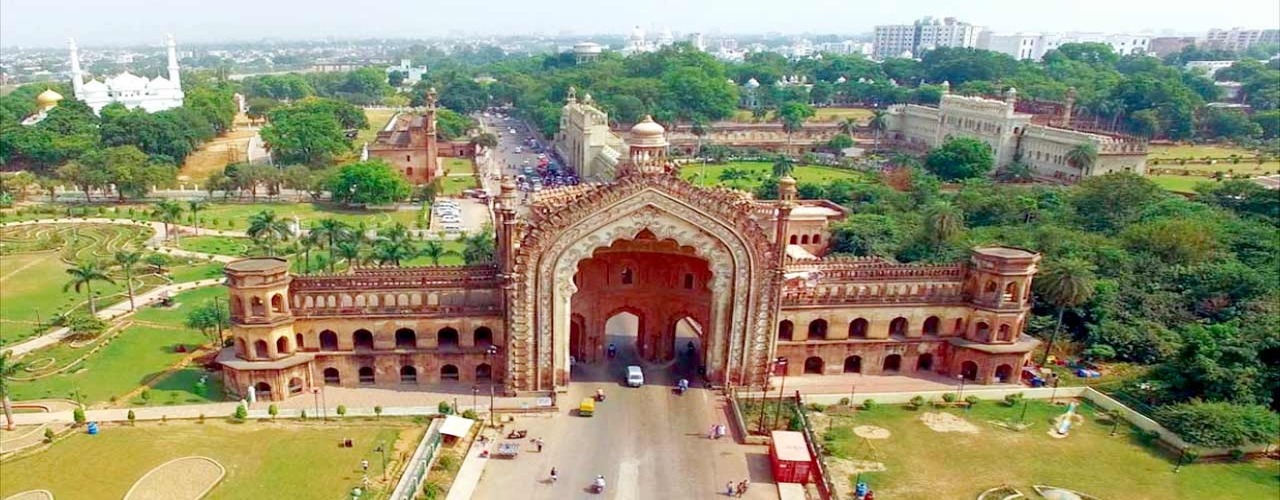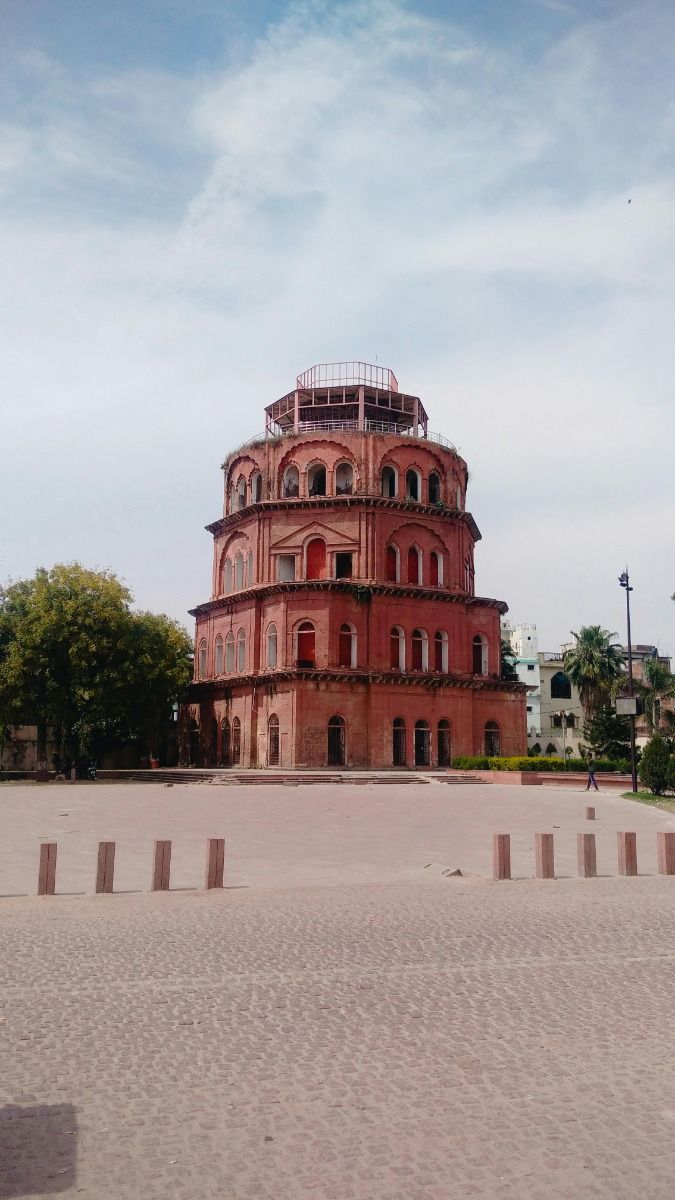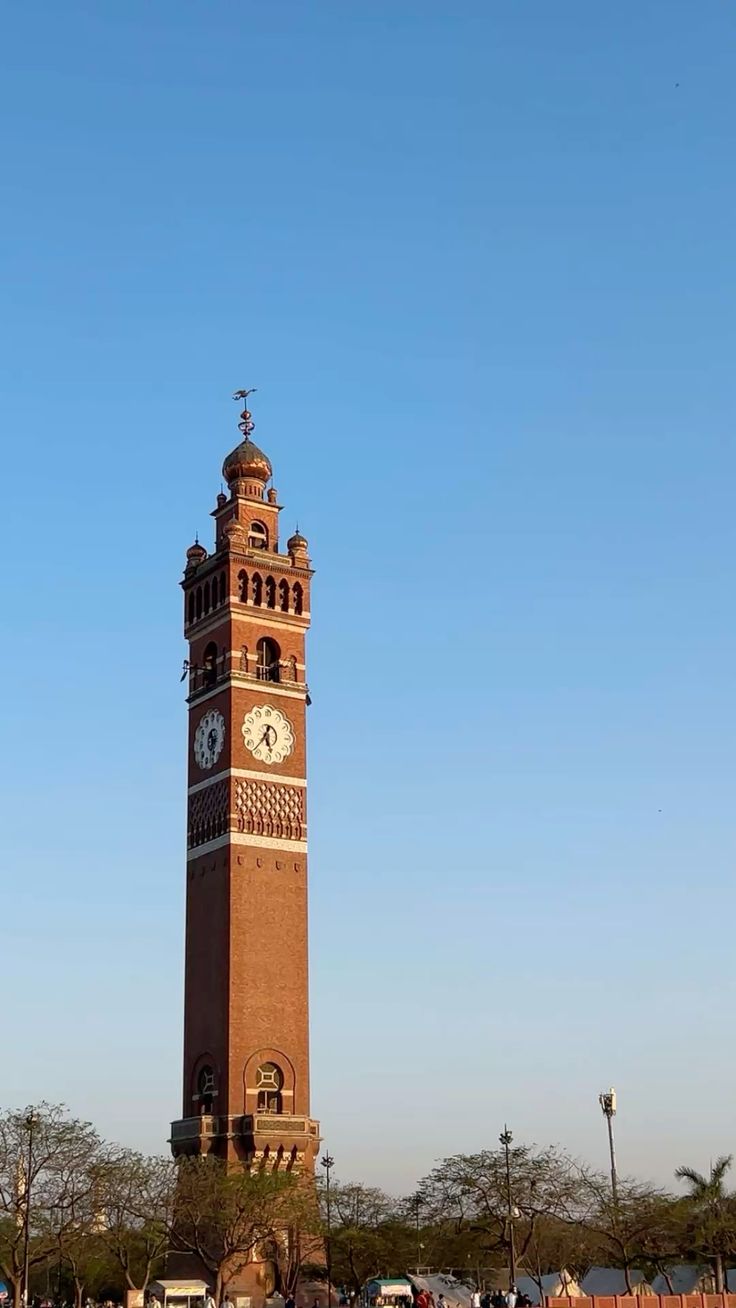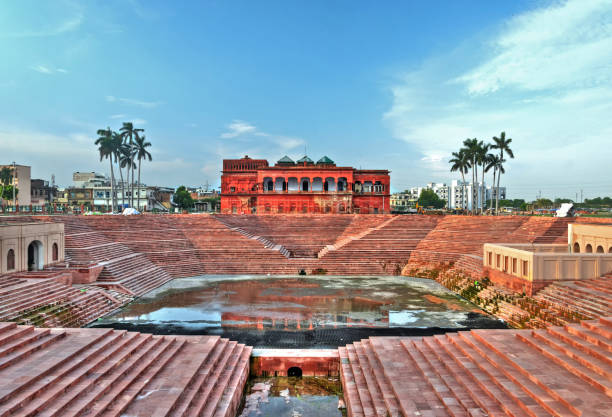
The Picture Gallery was constructed in 1863 during the reign of Nawab Wajid Ali Shah, the last Nawab of Awadh. It was originally designed as a summer house and later transformed into a gallery to display life-size portraits of the Nawabs and Begums of Awadh.
During the 19th century, portrait painting was a powerful medium to document royal lineage, grandeur, and authority. The Picture Gallery became an artistic archive that preserved the faces, attire, and personalities of Awadh’s rulers at a time when photography was still in its infancy in India.


Architectural Style
Architecturally, the Picture Gallery reflects a blend of European and Indo-Islamic design. Its long hall, high ceilings, and large arched windows were designed to allow natural light and keep the interiors cool during the summer months.

Husainabad and Allied Trust Office Picture gallery, near clock tower husainabad lucknow 226003.
Powered by

© 2026 Getepay. All rights reserved