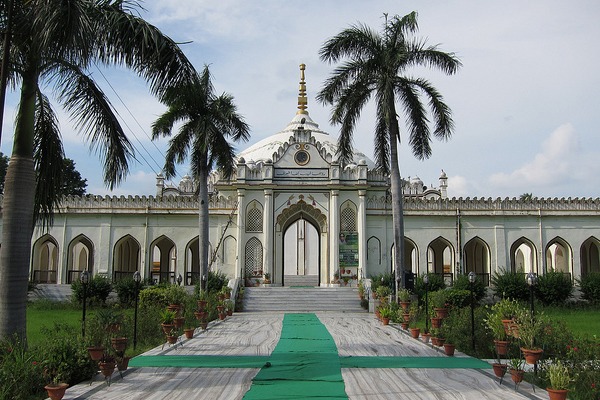
The Shah Najaf Imambara is a significant religious and historical monument in Lucknow, known for its spiritual importance and elegant architecture. Built in 1816 by Nawab Ghazi-ud-Din Haider, the first King of Awadh, the Imambara was constructed as a replica of the shrine of Hazrat Ali in Najaf, Iraq. It serves as the mausoleum of Nawab Ghazi-ud-Din Haider and his wives, making it an important site of remembrance.

Architecturally, Shah Najaf Imambara is distinguished by its large silver-plated dome, which shines beautifully, especially during evenings and religious occasions. The structure reflects a blend of Persian and Mughal architectural styles, with simple yet graceful interiors that emphasize spirituality over grandeur. The Imambara stands on the banks of the Gomti River, adding to its serene and sacred atmosphere.

The site holds deep religious importance for the Shia community, particularly during Muharram, when devotees gather here to offer prayers and pay respects. Illuminated with lights during festivals, Shah Najaf Imambara becomes a striking symbol of faith and devotion.
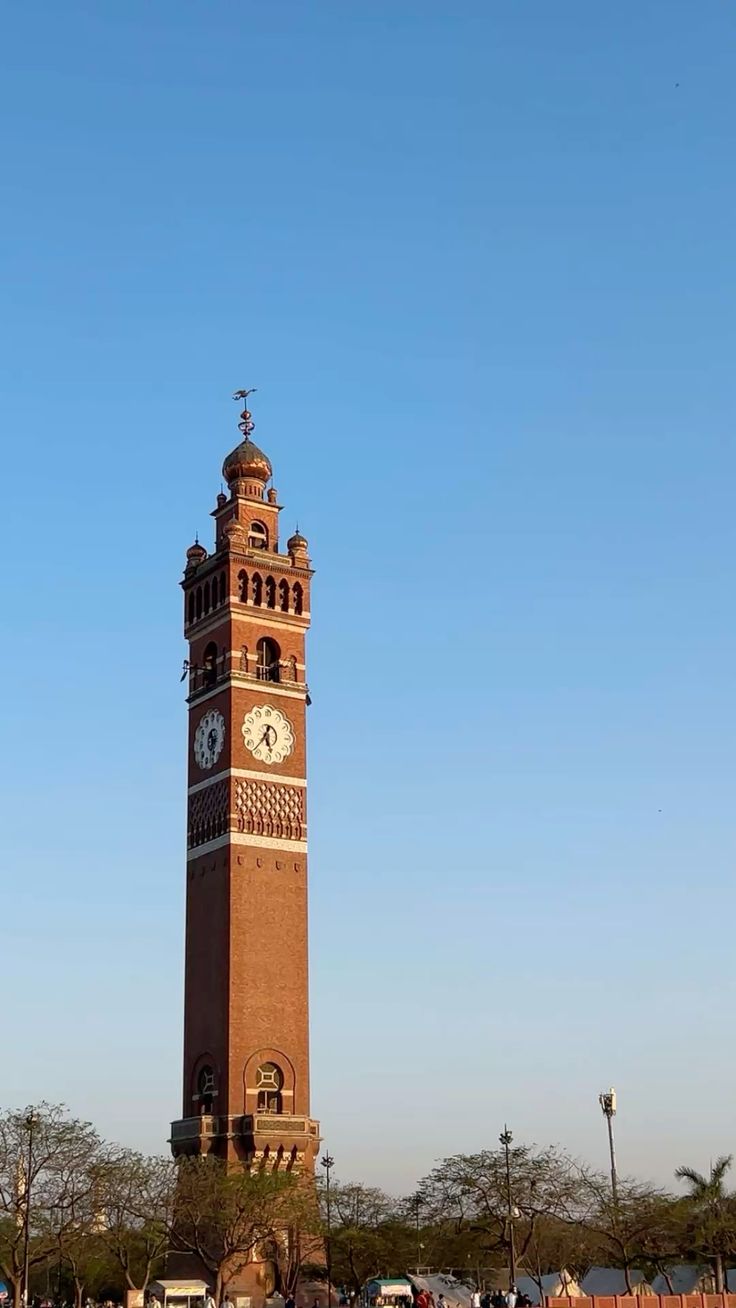
Husainabad and Allied Trust Office Picture gallery, near clock tower husainabad lucknow 226003.
Powered by

© 2026 Getepay. All rights reserved